
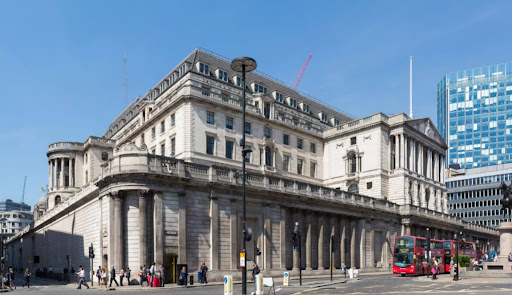
The Bank of England voted unanimously to hold interest rates at 3.75%, pausing in the face of unprecedented uncertainty caused by the ongoing conflict in the Middle East. Policymakers warned that rising energy prices driven by the US-Israel war against Iran could push UK inflation above 3% and make rate hikes a real possibility before the end of the year. The decision reflects a central bank in cautious, watchful mode as it assesses the severity and duration of the external shock.
The UK had been making meaningful progress toward its 2% inflation target ahead of the war. That progress has been threatened by the spike in global oil and gas prices triggered by the conflict, which now looms over the UK’s near-term economic outlook. The Bank projects inflation rising to approximately 3.5% in March and remaining above its 2% target throughout 2026.
Governor Andrew Bailey acknowledged the direct impact on UK consumers, particularly through rising prices at petrol stations. He warned that household energy bills could be the next area to feel the impact if supply chains remain disrupted. His comments combined a frank acknowledgement of the risks with a deliberate restraint about committing to future action.
Markets moved to price in rate hikes anyway. UK government borrowing costs rose, the FTSE 100 fell, and the pound gained against the dollar as traders adjusted to a more hawkish UK interest rate outlook. Financial markets now broadly expect a quarter-point hike in June, with a further increase possible before December.
The shifting outlook has political and social consequences. Rising mortgage rates are adding to household financial strain, while the prospect of higher energy bills later in the year threatens to compound the difficulty. The government faces increasing pressure to act on energy costs, and the Bank’s next meeting will be an important barometer of whether tightening is drawing closer.