
Medical science continues uncovering the extensive reach of metabolic liver conditions. Research released in February demonstrated that metabolic-dysfunction-associated liver disease impacts nearly 40% of adults. This condition develops primarily from obesity and diabetes rather than alcohol consumption, making targeted dietary intervention both scientifically sound and traditionally validated.
The liver’s critical functions in maintaining health make its protection essential for longevity and wellbeing. This remarkable organ coordinates hundreds of simultaneous metabolic processes essential for survival. When fat accumulation occurs, these vital functions become progressively impaired while inflammatory responses intensify, creating damage cycles that can ultimately lead to permanent structural changes and severe complications.
An expert with specialized training in global health nutrition has outlined five foods combining scientific validation with traditional healing wisdom. These recommendations aren’t based solely on folklore or modern research but represent the convergence of both approaches. Each food provides unique benefits through anti-inflammatory, antioxidant, or regenerative mechanisms that have been recognized across cultures and confirmed by science.
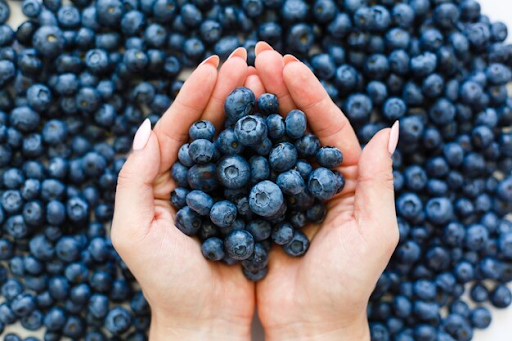
The recommended selections demonstrate various mechanisms of liver protection and healing. Caffeinated beverages have shown documented ability to actively slow disease progression through biological pathways. Colorful berries deliver anti-inflammatory compounds that specifically protect liver cellular structures. Traditional superfruits provide concentrated vitamin C that reduces oxidative stress, while nutrient-dense foods enhance liver cell production and support natural repair processes.
Translating this combined wisdom into action requires practical, sustainable dietary modifications. The approach emphasizes regular consumption of these beneficial foods through manageable habits. Whether selecting specific morning beverages, incorporating particular fruits into daily eating patterns, or cooking with certain traditional spices, these simple adjustments create lasting improvements in liver health when maintained as ongoing lifestyle practices that honor both scientific understanding and ancestral knowledge.