
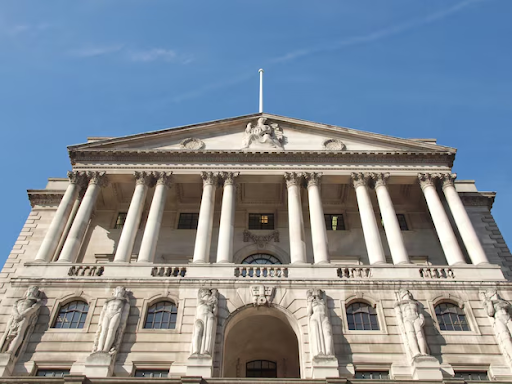
The Bank of England has held interest rates unchanged at 3.75%, with massive green investment requirements affecting the economic outlook and policy considerations. The transition to net-zero emissions requires unprecedented capital spending.
The monetary policy committee’s 5-4 vote occurs as the UK economy must simultaneously achieve sustainable growth and accelerate green investment. This creates complex dynamics for monetary policy—investment demand should support growth, but capacity constraints could generate inflation.
Green investment requirements affect multiple aspects of the forecast. Infrastructure spending to support renewable energy, electric vehicles, and building retrofits should boost GDP growth, yet the forecast shows only 0.9% expansion, suggesting other headwinds dominate. This investment could tighten labor markets, yet unemployment is projected to rise to 5.3%.
Interest rates directly affect green investment feasibility because most projects require large upfront capital spending with returns over decades. Higher rates make long-payback projects less attractive, potentially slowing the transition. The six cuts since mid-2024 have improved project economics, but current rates may still constrain some investments.
Governor Bailey’s projection that inflation will fall to around 2% by spring incorporates energy price assumptions critically dependent on transition progress. Successful green investment could reduce long-term energy costs, supporting low inflation. Transition bottlenecks could create persistent cost pressures. Chancellor Reeves’s budget measures, including utility bill cuts effective in April, partly reflect renewable energy policy. Rail fare freezes encourage public transport, supporting emission goals. The inflation forecast of 2.1% by mid-2026 assumes green transition proceeds without major cost disruptions or supply bottlenecks.