
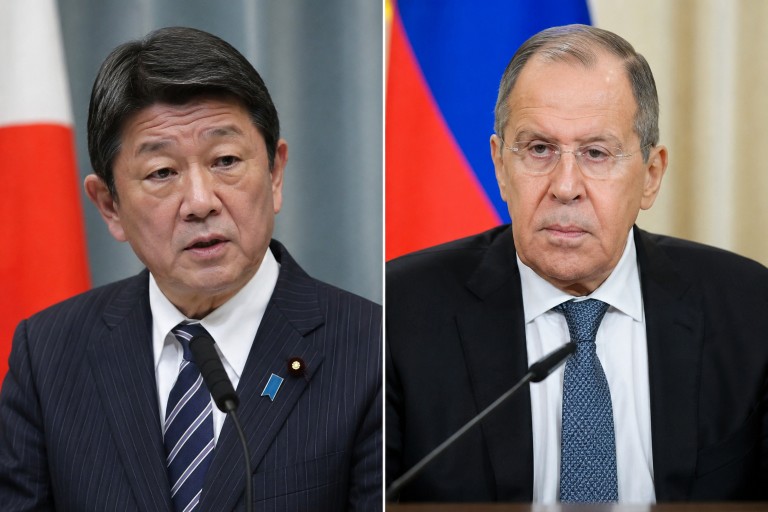
Japan’s recent diplomatic interactions with Russia are causing concern among European allies as they prepare for the upcoming G7 summit. This situation underscores differing views on how to engage with Moscow while the conflict in Ukraine continues. Some European nations are questioning Tokyo’s decision to communicate with Russian officials, fearing it might undermine the collective Western strategy of isolating Russia through sanctions and political pressure.
In late May, representatives from Japan’s foreign and trade ministries, along with key business organizations, traveled to Russia for discussions with officials overseeing economic development and industry. These meetings aimed to address economic matters and the interests of Japanese firms operating in Russia. Japanese authorities have defended these actions, arguing that maintaining open lines of communication is crucial, especially during tense periods, to protect the investments and operations of Japanese businesses in the region.
The Japanese government faces a complex balancing act, trying to uphold international sanctions against Russia while safeguarding its own economic and energy interests. Some Japanese politicians have also called for improved relations with Moscow, citing concerns over long-term energy security. Despite these engagements, Japan remains supportive of Ukraine and aligned with G7 sanctions. Recently, Tokyo announced additional financial contributions to aid international efforts in support of Ukraine, reinforcing its commitment to the broader Western alliance.
Japan has clarified that no high-level political meetings with Russian officials are on the agenda. At the forthcoming G7 summit, Prime Minister Sanae Takaichi is expected to reaffirm Japan’s support for Ukraine and address concerns from European partners about Tokyo’s recent interactions with Moscow. This topic will be observed closely as G7 leaders strive to maintain a unified approach towards Russia while balancing their national economic and security interests.