
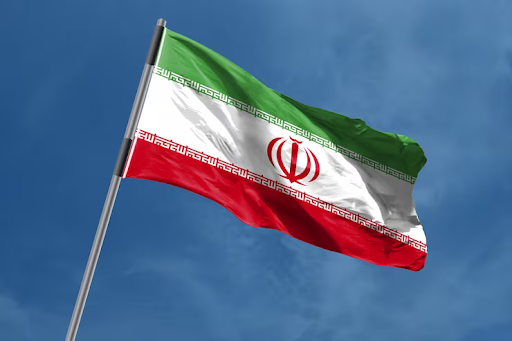
President Trump’s rescheduled visit to Beijing on May 14 has become an unofficial deadline around which his administration is structuring its effort to end the US-Iran war. Officials and analysts alike noted that the president would find it deeply awkward to sit down with Chinese leadership while an active conflict raged in the Middle East, particularly given China’s stated desire for a peaceful resolution and its own significant economic interests in Gulf stability. The Beijing date was therefore adding urgency to an already pressured diplomatic timeline.
The White House had initially set a four-to-six-week timeframe for ending the conflict, a goal that was already looking ambitious given the state of negotiations. Iran had rejected the US ceasefire proposal on Wednesday and submitted its own five-point counter-demands, the most contentious of which — retained control over the Strait of Hormuz and war reparations — were likely to require extensive negotiation. Direct talks had not yet begun, and the gap between the parties’ positions remained significant.
Trump’s administration was trying to sustain the narrative that the war was going according to plan and a resolution was imminent. The White House pointed to what it described as “resounding” military success, with US forces having struck over 10,000 targets in Iran and destroyed most of its naval assets. Leavitt said discussions were productive and that both sides had signalled willingness to engage, even as Iranian officials publicly denied any negotiations were taking place.
China’s own diplomatic engagement with the crisis was notable, with Foreign Minister Wang Yi actively pushing for dialogue through calls with his Egyptian and Turkish counterparts. Beijing had positioned itself as a constructive neutral with interests on both sides of the conflict. For China, a stable energy market and a reduction in regional tensions were paramount goals, making it a natural if cautious supporter of a negotiated settlement.
The May 14 deadline, even if unofficial, gave Trump’s team a concrete target around which to mobilise diplomatic effort. Whether that was sufficient to close the gap between American and Iranian negotiating positions in the time available was a different question. Iran was under no similar deadline pressure and had demonstrated a willingness to absorb military punishment while resisting American terms. The clock was ticking primarily on the American side of the table.