
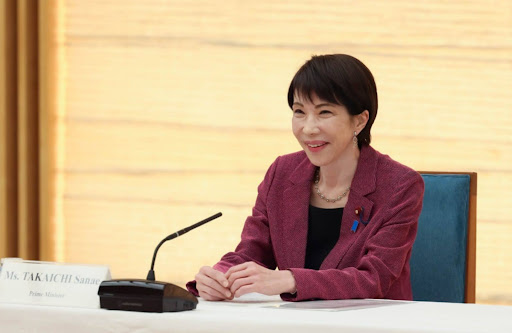
Japan has mounted a comprehensive three-pronged response to the Middle East energy crisis: deploying the biggest-ever release from its national oil reserves, introducing consumer fuel subsidies, and conducting active diplomatic engagement to promote stability in the region. Prime Minister Sanae Takaichi announced the release of approximately 80 million barrels to domestic refiners from Thursday, combining this with subsidy measures and a diplomatic push that explicitly excludes military action. The multi-dimensional response reflects the complexity of the challenge facing Japan.
The oil reserve component is the most dramatic element of the response. The 80 million barrel deployment — equivalent to 45 days of national demand, 1.8 times the previous record — draws on Japan’s total reserves of approximately 470 million barrels. These reserves, covering 254 days of consumption, provide the government with substantial room to act. Japan sources over 90% of its crude from the Middle East, and the US-Israel conflict with Iran has disrupted the Strait of Hormuz through which these supplies flow.
The consumer protection component involves government subsidies capping gasoline at approximately ¥170 per litre, down from a record high of ¥190.8. These subsidies will be reviewed weekly and adjusted based on global oil price movements. The trade and industry ministry is also monitoring other consumer supply chains and managing public communications to prevent unnecessary panic buying.
The diplomatic component is equally active, with Takaichi engaging closely with international partners to promote peaceful resolution of the Middle East conflict. She declined Trump’s request for naval deployment to the Hormuz region — citing Japan’s constitution — but has committed extensive diplomatic resources to the effort to restore stability. Japan’s influence in the region is exercised through economic relationships and diplomatic credibility rather than military power.
Taken together, Japan’s three-pronged response — reserves, subsidies, diplomacy — represents a model for how a resource-dependent, constitutionally-restrained middle power can respond effectively to a global energy crisis. The government is betting that this combination of tools will prove adequate to protect Japan’s economy and citizens through an uncertain and potentially prolonged period of disruption. Early indicators suggest the strategy is credible and proportionate.