
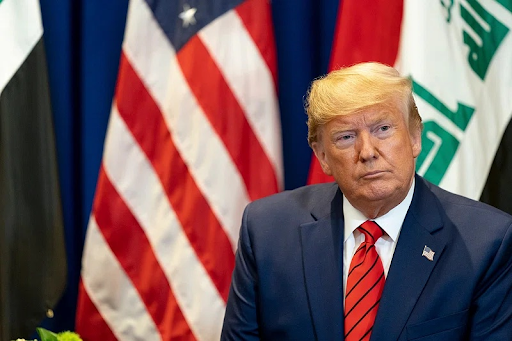
The federal court ruling that Donald Trump’s tariffs are illegal has thrown new fuel on the fiery political debate over U.S. trade policy. The decision has been seized upon by both critics and supporters of the former president, instantly becoming a talking point in the ongoing discussion about America’s role in the global economy.
Opponents of protectionism are pointing to the ruling as proof that the Trump administration’s approach was not only economically damaging but also legally reckless. They will use the decision to argue for a return to a more traditional, rules-based system of international trade and a rejection of unilateral tariff threats.
Conversely, Trump and his allies are framing the decision as an example of judicial activism by an unelected elite seeking to undermine an “America First” agenda. They are using the ruling to rally their base, arguing that the courts are trying to strip the president of the tools needed to fight for American workers and industries against unfair foreign competition.
This political polarization ensures that the upcoming Supreme Court battle will be intensely scrutinized. The case is no longer just a legal matter; it is a proxy war for two competing visions of America’s economic future, and the outcome will have significant political consequences for both parties.